Transform Your Home With Professional Architectural Design Services
Upgrading a home through professional architecture services involves more than just appearance. It requires a deep grasp of functional design and area construction standards. Working with an knowledgeable design professional can address typical issues while enhancing property worth. The process is methodical and meticulous, guaranteeing that every detail matches with the homeowner's vision. Yet, many homeowners struggle to traverse this journey productively. What steps can they take to obtain a successful partnership?
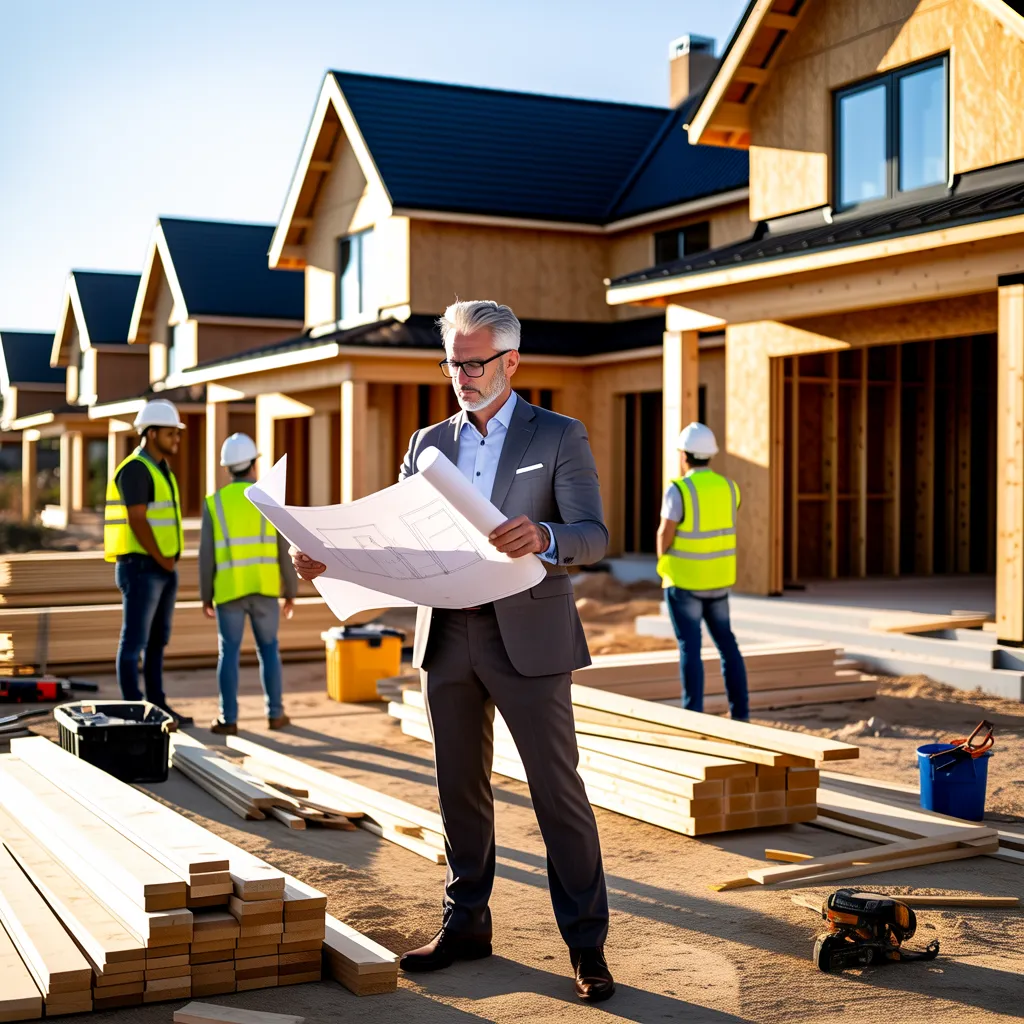
Standard Home Design Complications and Solutions Architects Tackle Them
Why is home design so demanding for numerous homeowners? The difficulty of aligning aesthetic choices with functional demands often overwhelms them. Homeowners routinely deal with space limitations, financial constraints, and regulatory standards, rendering the design process more complex. Additionally, many are short of the technical knowledge required to tackle structural issues and building codes.
Architects represent an vital role in easing these difficulties. Their expertise enables them to handle the subtleties of design, confirming that a homeowner's objective harmonizes with actual circumstances. Architects can present groundbreaking strategies to enhance space while following safety regulations. They also participate in building connected designs that express the homeowner's taste. By sharing perspectives into substances and construction processes, architects support expedite the choice-making stage. Ultimately, their competence converts a apparently challenging project into a joint experience, nurturing a well-balanced balance between ingenuity and usefulness in residential design.
Perks of Consulting a Professional Architect
Partnering with a expert designer boosts the house planning experience by integrating professional competence with the client's perspective. Architects present a extensive background in design principles, legal requirements, and environmental practices, making certain that the endeavor not only achieves visual aspirations but also adheres to regulations. Their ability to visualize and articulate complex ideas facilitates translating theoretical ideas into realized blueprints.
Moreover, architects can offer innovative approaches to layout obstacles, refining usability and arrangement. They also direct the intricacies of the building process, collaborating with contractors and suppliers to ensure finances and schedules are adhered to. This professional management minimizes mistakes and lessens the anxiety tied to home renovation or building. Ultimately, engaging with an architect delivers a unified, thoughtfully designed space that reflects the homeowner's essence while enhancing overall home worth.
What Are the Essential Steps in the Design Procedure?
What is the way the building design process progresses from initial idea to finish? The journey starts with an first meeting, where the designer and customer discuss goals, requirements, and financial resources. This stage is important for establishing a well-defined direction. Subsequently, the designer performs location evaluation, evaluating factors like topography, weather patterns, and zoning regulations.
Subsequently, the design work gets started. At this stage, visual sketches and computer models are fashioned, enabling the client to visualize the project. Once the design is established, the architect creates extensive construction specifications, containing specifications and drawings.
With necessary permits secured, the project moves into the construction phase. The architect often works with contractors to ensure that the plan is executed correctly. Regular on-site inspections and evaluations help maintain standards and compliance to the original vision. Finally, the project concludes in a walkthrough, confirming that the finished structure satisfies the client's requirements before the official transfer.
What's the Most Effective Way to Select the Perfect Architect for Your Home?
Discovering the suitable professional for your dwelling requires thoughtful thought and study. Prospective homeowners should commence by identifying their specific needs and budget, which will direct their search. Advice from friends, relatives, or real estate specialists can supply valuable prospects. Online portfolios and reviews support examining an designer's prior work and customer satisfaction.
Next, potential clients should speak to various candidates to evaluate their speaking approach, expertise, and strategy for design. It's critical to address timelines and project expectations to guarantee alignment. Moreover, checking credentials and verifying appropriate certifications and licenses can circumvent subsequent difficulties.
Ultimately, property owners should follow their instincts. The best architect should not only demonstrate the essential skills but also complement the homeowner's vision and beliefs. This partnership creates a collaborative environment, ultimately generating a successful partnership in developing a dream home.
Tips for Sharing Your Vision Clearly
Expressing a vision for house design successfully is important for a strong partnership between residents and design experts. To attain this, residents should start by explicitly identifying their needs and inclinations. Developing a visual guide with visuals, tones, and substances can facilitate expressing design wants. Additionally, specifying operational needs, such as room size and arrangement, ensures that the architect understands tangible considerations.
Property owners should also engage in frank discussion, promoting questions and feedback to refine their direction. Frequent meetings during the planning phase foster teamwork and openness. Using clear communication to convey ideas and concerns can avert confusion and help align expectations.
Finally, remaining open to the architect's expertise allows for a more vibrant dialogue. By merging personal vision with professional insight, homeowners can foster a productive partnership that leads to a beautifully designed space reflecting their aspirations.
Strategies for Budgeting Building design Services
When commencing a home design project, creating a budget for architecture services is important to prevent monetary burden later. Homeowners should start by studying typical fees in their area, which can vary based on the project's complexity and the architect's experience. It is prudent to allocate a percentage of the overall project cost specifically for architectural services, typically ranging from 5% to 15%.
Next, potential clients should assess the breadth of services needed—whether they require complete design and project management or simply preliminary consultations. Engaging in candid discussions with prospective architects regarding their fee structures can bring clarity on expenses.
Additionally, property owners insightful guide should account for unexpected expenses and potential revisions, establishing a financial reserve in the budget. By clearly defining their monetary limits in advance, customers can ensure they pick an design expert who reflects their vision while adhering to their financial limits.
Frequently Asked Questions
What Types of Building Design Can Be Offered for My Home?
Homeowners have the opportunity to pick from many different design approaches, including modern, traditional, colonial, Mediterranean, and contemporary. Each style offers distinctive aesthetics and functionality, enabling individuals to reflect personal taste while taking into consideration regional influences and environmental factors.
How Much Time Does the Architectural Process Generally Consume?
The architectural process typically requires several months, depending on project intricacy, design sign-offs, and local regulations. Factors such as client feedback and building timelines can also affect the schedule greatly throughout the process.
Can Architects Help With Eco-friendly Design Choices?
Architects can clearly assist with green design choices. They incorporate sustainable materials, efficient energy systems, and creative designs, guaranteeing projects minimize environmental impact while boosting functionality and aesthetic appeal, matching with clients' sustainability goals proficiently.
Which Qualifications Should I Seek in an Architect?
When picking an architect, one should assess their training, licensure, experience in relevant projects, body of work reflecting their design philosophy, and understanding of local regulations. Communication skills and references from past clients also contribute significantly in the decision-making process.
What Method Do Building Designers Use to Tackle Zoning and Permit Problems?
Architects manage zoning and permit issues by conducting thorough research on local regulations, preparing necessary documentation, and working with municipal authorities. Their proficiency ensures adherence, expediting the approval process for client projects effectively.